


Soirée After Beach du vendredi 24 juillet
Retrouvez la programmation musicale, le menu et les tarifs de notre soirée du 24 juillet au Château de Cabran !
Read more
"After beach" Party on 17 july: music, menu & prices
All the details about the “After Beach” evening in the vineyards on Friday 17 July at Château de Cabran!
Read moreBlog categories
Search in blog
When and how to prune vines? Advice from Château de Cabran
A little story: thank you, goat!
Legend has it that the first vine pruner was... a goat! The winegrower, observing the result of this fortuitous pruning, is said to have deduced the principles of pruning as it is still practised today.
Why prune vines?
Vines are vigorous climbers which, if left unpruned, would produce a lot of wood... and few quality grapes. Pruning helps to:
- Promote the ripeness and concentration of the grapes
- Preserve the longevity of the vine
- Protect against the strong mistral winds that blow across the hills of Fréjus
When should vines be pruned?
Pruning is carried out in winter, when the plant is dormant, i.e. when it has lost its leaves. In Provence, and more particularly in the Canton of Fréjus, this is done between January and February.
The essential principles of good pruning
1. Observe before acting
Pruning is above all an act of observation and reflection. Before cutting, it is important to understand the structure of the vine:
- Identify the previous year's wood, which will appear more solid
- Observe the overall vigour of the vine
2. Choose the right shoots
Keep in mind the principle of fruiting: grapes will grow better on branches that grow from the previous year's wood. This means keeping one or two well-positioned shoots with a balanced diameter (neither too thin nor too thick).
However, weak shoots or those that are too close together should be removed.
3. Adapt pruning to the type of vine
There are several types of pruning, the most well-known being:
- Cordon de Royat: The vine has a horizontal arm on which small branches are left at regular intervals. This is ideal along a wire or wall, and is the method we prefer at Cabran.
- Gobelet: The vine resembles a small open bush (like a cup).
- Simple Guyot: a single cane is kept to preserve both the level of production (and the concentration of the berries) and the health of the vine.
For a garden vine, the key is to keep the structure simple and airy. Above all, remember that if your vine seems weak, it is better to prune it ‘short’ to give it strength. If your vine is vigorous, you can leave more length.
Maintaining the vine after pruning
Pruning is only the beginning of the work, and you will soon need to monitor regrowth in the spring and remove unnecessary suckers... In organic viticulture, we seek above all to achieve a natural balance in the vines, working with moderation and respect. It is these repeated actions, passed down from generation to generation, that shape our Fréjus wines, faithful to their volcanic terroir.
Want to find out more?
We would be delighted to welcome you to the estate for a visit.
Posted in:
Default category
Related posts
-
 What is a gourmet rosé?
Rosé, this delicate and refreshing wine, is often associated with summery and relaxed moments under the Provence sun....Read more
What is a gourmet rosé?
Rosé, this delicate and refreshing wine, is often associated with summery and relaxed moments under the Provence sun....Read more -
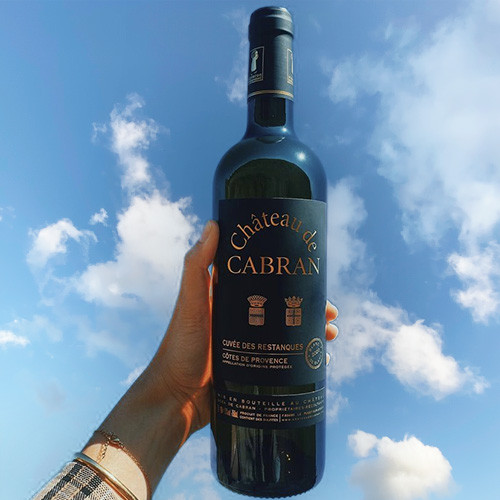 A black bottle for a white wine
You are often surprised that the Cuvée des Restanques, the Blanc de Blancs from Cabran, is packaged in a black...Read more
A black bottle for a white wine
You are often surprised that the Cuvée des Restanques, the Blanc de Blancs from Cabran, is packaged in a black...Read more -
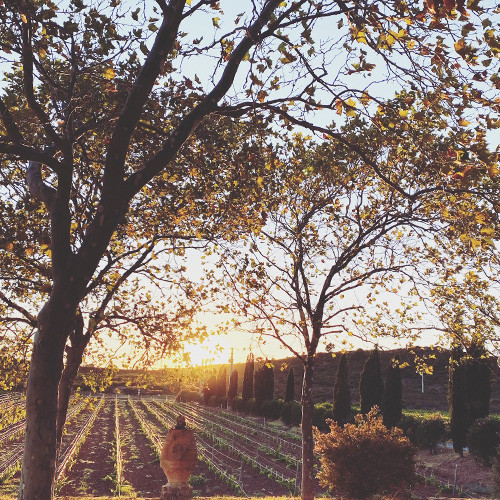 Discovery of the AOP Côtes de Provence Fréjus
Côtes de Provence Fréjus: an exceptional wine region recognized as such since ancient times!Read more
Discovery of the AOP Côtes de Provence Fréjus
Côtes de Provence Fréjus: an exceptional wine region recognized as such since ancient times!Read more -
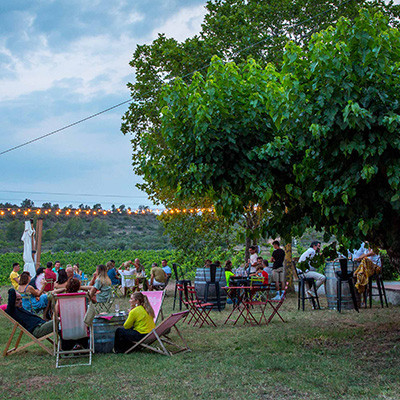 The joyous busyness of spring
In Cabran we are busy all year round. Soon evenings in the vineyards, gourmet visits and... a new color !Read more
The joyous busyness of spring
In Cabran we are busy all year round. Soon evenings in the vineyards, gourmet visits and... a new color !Read more -
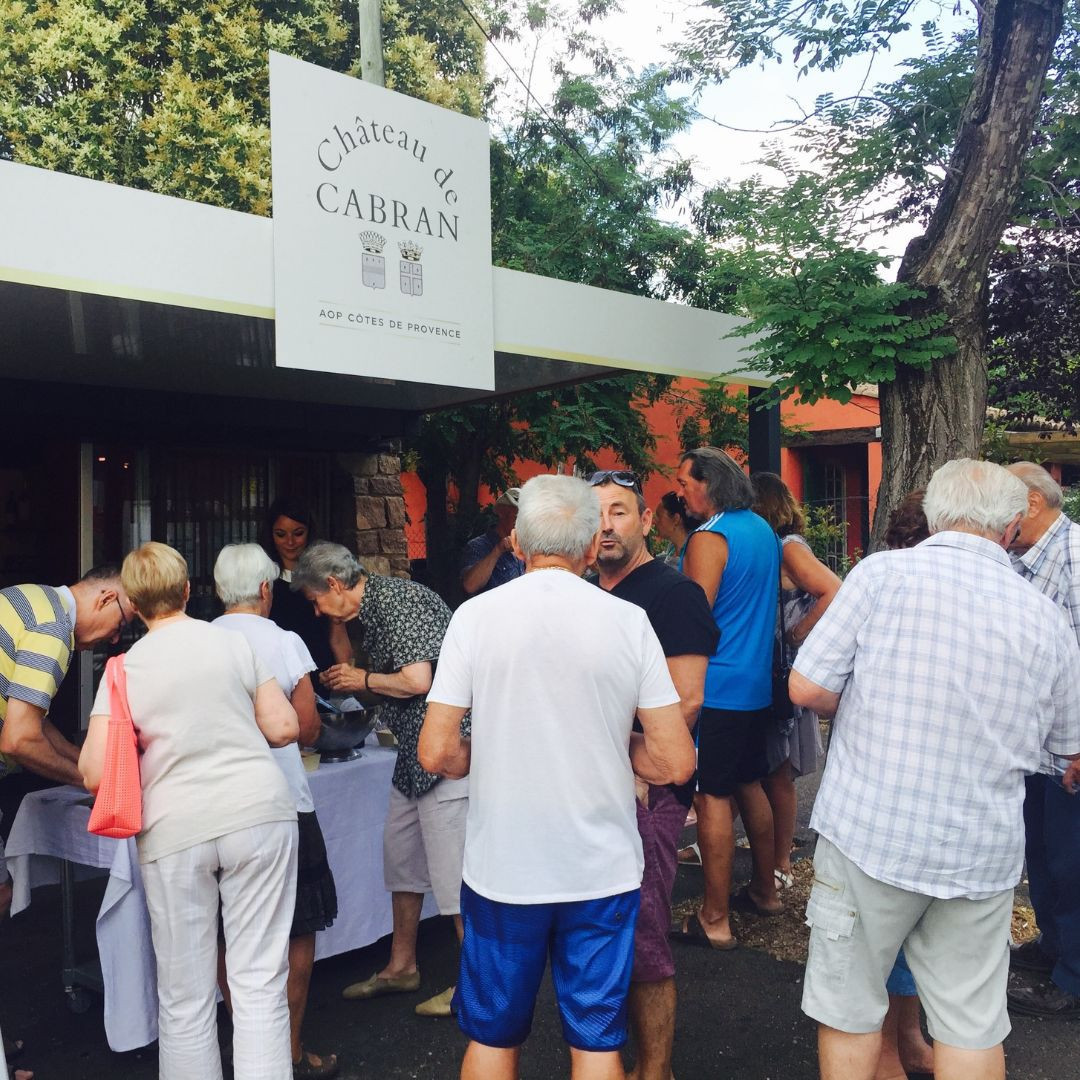 The little boutique at Château de Cabran in Fréjus is open!
Our little shop at Pin de la Lègue is well known from tourists. Located on the main road which leads from Fréjus to...Read more
The little boutique at Château de Cabran in Fréjus is open!
Our little shop at Pin de la Lègue is well known from tourists. Located on the main road which leads from Fréjus to...Read more
Leave a comment